
 Contact Us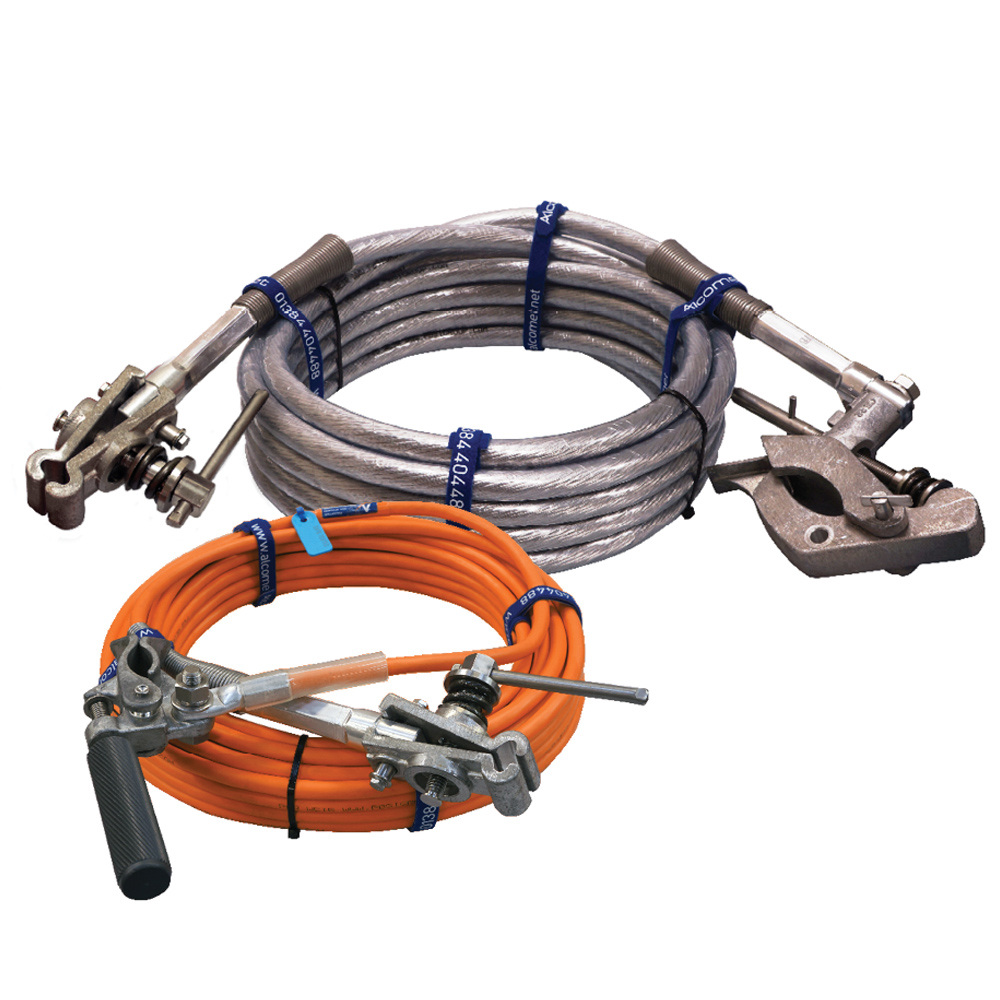
Portable earthing is one of the most important safety procedures used across electrical infrastructure, substations, power generation sites, rail networks, and industrial installations. Whether carrying out planned maintenance, fault repairs, switching operations, or temporary isolation works, portable earthing systems provide a vital layer of protection for personnel working on or near electrical equipment.
Designed to safely carry fault current and create an equipotential working zone, portable earth leads are essential for protecting operators from dangerous induced voltages, backfeeds, accidental re-energisation, and residual charges.
What is Portable Earthing?
Portable earthing refers to the temporary grounding of electrical conductors and equipment during maintenance or isolation procedures. The purpose is to ensure that any unexpected electrical energy is safely discharged to earth, preventing dangerous touch voltages and protecting workers from electric shock.
Portable earth leads are commonly used on:
- High voltage substations
- Transmission and distribution networks
- Rail electrification systems
- Switchgear installations
- Overhead lines
- Transformers
- Busbars
- Renewable energy sites
- Industrial electrical systems
What are Portable Earth Leads?
Portable earth leads are flexible conductive cables used to connect isolated electrical equipment to earth. Their role is to provide a low resistance path capable of carrying fault current safely away from personnel and equipment.
Earth leads are typically manufactured using highly flexible stranded copper conductors, allowing them to withstand repeated handling while maintaining excellent electrical conductivity.
Portable earth leads for HV substations and overhead lines must comply with ENA TS 41-21, which covers short-circuiting and earthing equipment for electrical networks.
Why Portable Earthing is Essential
Even after isolation procedures have been completed, electrical systems can still present serious hazards. Potential dangers include:
- Induced voltages from adjacent live conductors
- Stored electrical charge
- Backfeed from connected systems
- Switching errors
- Equipment failure
- Lightning strikes
- Accidental re-energisation
Portable earthing creates a direct path to ground, helping ensure all conductors remain at earth potential during work activities.
Without the correctly specified portable earths, personnel may be exposed to lethal touch and step voltages.
Types of Portable Earth Leads
Portable earthing systems can be designed for a wide range of voltages and applications. The correct earth lead configuration depends on the fault level, installation type, and operational procedures.
Our range includes:
Click here to view our range of Portable Earth Leads >>
Portable Earthing Clamps
Portable earth leads are only as effective as the clamps and connection points used within the system.
Earthing clamps are designed to create secure electrical connections between the earth lead and the conductor or earth point.
Clamp selection depends on conductor shape, access requirements, current rating, and operating procedures.
Click here to view our range of Portable Earthing Clamps >>
Maintenance and Inspection of Portable Earth Leads
Portable earths should be regularly inspected and maintained to ensure ongoing safety and performance.
Damaged or worn portable earth leads should be removed from service immediately.
Proper storage is also important to avoid mechanical damage, contamination, and conductor fatigue.
Click here to view our Portable Earth Lead Testing & Repair Service >>
If you require Portable Earth Leads or need any existing leads to be tested simply drop us an email on sales@alcomet.net or give us a call on 01384 404 488.


